Retro Goal: A Typeface That Brings Vintage Athletic Spirit to Life
There’s a certain magic in the visual language of vintage sports—the bold block letters on a college pennant, the crisp typography on a classic game program, the confident script on a retired jersey. This aesthetic carries stories of grit, tradition, and communal excitement. For designers and creators seeking to capture that authentic, nostalgic energy, the Retro Goal typeface emerges as a powerful tool. It’s more than just a collection of characters; it’s a design asset that channels the discipline and allure of golden-age athletics, offering a robust foundation for projects that demand a sporty, timeless appeal.
The Anatomy of a Champion Typeface
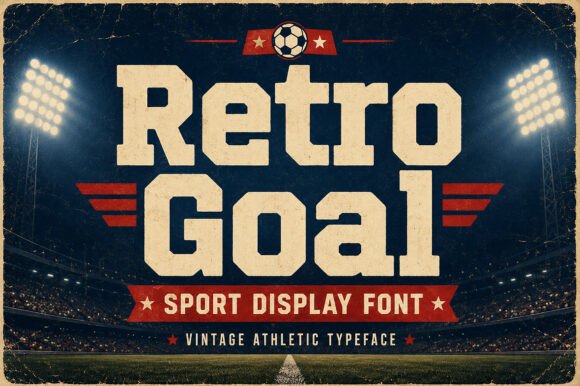
What makes a display font like Retro Goal so visually compelling? Its strength lies in its deliberate construction. The characters are blocky and substantial, echoing the varsity lettering found on classic leather jackets and stadium signage. This isn’t a delicate, whispering font; it’s a bold statement piece designed for impact. The letterforms possess a uniform weight and structure that conveys stability and reliability—qualities inherent in athletic teams and enduring brands.
Unlike a sleek sans serif font or an ornate script font, Retro Goal occupies a specific niche. It balances the clarity of modern typography with the warmth and character of hand-painted signage from decades past. The slight imperfections and rounded edges soften its industrial feel, making it approachable rather than aggressive. This unique personality allows it to function as a premium font for projects that need to feel both authoritative and nostalgic, professional yet passionate.
Practical Plays: Where This Font Scores Big
The true value of any creative font is its versatility. Retro Goal is built for a wide range of applications, seamlessly blending into both digital and physical realms. Its primary strength is in branding and logo design, where it can instantly establish a brand’s identity as classic, trustworthy, and energetic. Imagine a local brewery’s logo, a fitness app’s wordmark, or a vintage-inspired clothing label—this typeface provides the perfect visual shorthand.
Beyond logos, its applications are extensive:
- Team & Event Branding: Design compelling game posters, tournament flyers, and event programs that feel authentic and exciting.
- Merchandise & Apparel: It’s a natural fit for t-shirt designs, hoodies, and team jerseys. The block characters translate beautifully to embroidery and screen printing.
- Packaging & Labels: For sports nutrition products, retro candy packaging, or specialty food labels, this font adds a layer of heritage and quality.
- Digital Presence: Use it for impactful social media graphics, website headers, and blog titles to create a strong visual hook. It also works well for YouTube thumbnails or podcast cover art.
- Print & Editorial: Create standout headlines in magazines, design memorable invitations for sports-themed events, or craft eye-catching editorial layouts.
Crafting a Cohesive Visual Identity
Using a distinctive typeface like Retro Goal strategically can significantly elevate a project’s professionalism and audience engagement. Consistency is key in branding, and establishing this font as a core element of your visual identity—across your website, social media, and printed materials—builds instant recognition. When a customer sees that bold, athletic lettering, they immediately associate it with your brand’s story.
However, a single font rarely works alone. The art of font pairing is crucial. Because Retro Goal is a strong display typeface, it pairs best with simpler, highly readable fonts for body copy. Consider combining it with a clean sans serif font for website paragraphs or product descriptions. For a more dynamic contrast, a flowing handwritten font could be used sparingly for accents or taglines. The goal is to let Retro Goal command attention for headlines and logos while ensuring longer text remains effortlessly legible.
Smart Implementation: Tips for Designers and Creators
Before diving in, a thoughtful approach will yield the best results. First, always review the full character set and any included styles (like bold or italic variations) to understand the font’s full potential. Test it at different sizes; a font that looks great on a poster might need adjustments for a small favicon.
Context is everything. While it excels in sports-related projects, consider its broader personality. Its “varsity” feel can also suit academic institutions, retro-themed cafes, or any brand wanting to project teamwork and legacy. Always ensure your chosen font style aligns with your project’s core message. Is the goal to feel energetic, traditional, or rebellious? Retro Goal leans toward energetic tradition.
Finally, a practical note on licensing. As a commercial font, understanding its license is essential. Verify that the license covers your intended use—whether for a client’s logo, merchandise for sale, or digital products. This due diligence protects your work and respects the font creator’s craft, allowing you to use this design asset confidently in your professional toolkit.
In the end, choosing the right typeface is about finding a voice for your design. Retro Goal offers a voice that is confident, nostalgic, and unapologetically sporty. It doesn’t just display words; it evokes the roar of a crowd and the pride of a team, making it a valuable ally for anyone looking to infuse their work with authentic athletic spirit.