Happy Brush: A Typeface That Brings Hand-Painted Joy to Your Projects
There’s something undeniably magnetic about a design that feels human. In an era of sleek, pixel-perfect digital interfaces, a hand-drawn element can cut through the noise, offering warmth and authenticity that resonates on a personal level. This is the exact space where the Happy Brush typeface thrives. It’s not just a collection of letters; it’s a burst of creative energy, capturing the spontaneous, joyful rhythm of a paintbrush dancing across paper. If you're looking to inject personality and a genuine, approachable feel into your work, this brush stroke font might just be your new secret weapon.
Beyond the Digital Sheen: The Visual Soul of Happy Brush
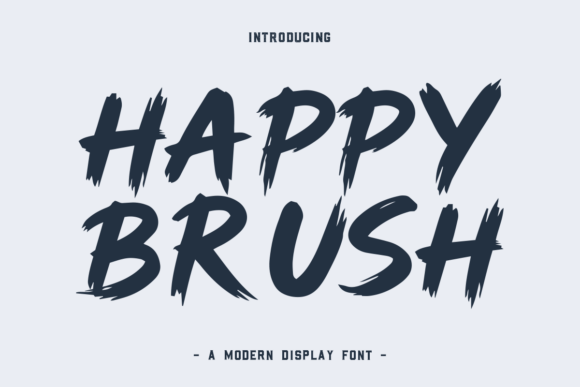
At its core, Happy Brush is a display font designed for impact and emotion. Its visual appeal lies in its imperfections—the smooth, flowing strokes that mimic natural hand-painted lettering, the subtle variations in line weight, and the organic textures that give each character a life of its own. Unlike rigid, uniform typefaces, it has an energetic rhythm that feels friendly and inviting. This isn't a font that shouts with harsh angles; it converses with a lively, slightly imperfect charm. It strikes a beautiful balance, feeling both casual enough for a friendly greeting and stylish enough for a modern brand identity. For designers, this means you get a creative font that delivers a handcrafted look without the time-consuming process of actual hand-lettering for every project.
Where Personality Meets Practicality: Real-World Applications
The true test of any design asset is its versatility. Where does a font like Happy Brush truly shine? Its applications are surprisingly broad, making it a valuable tool in any creative's toolkit.
- Branding & Logo Design: For small businesses, especially in the artisan, food, lifestyle, or boutique service sectors, a logo sets the tone. Happy Brush can form the cornerstone of a brand identity that feels authentic, personal, and full of character. It’s perfect for the main logotype or as a complementary accent font for taglines.
- Packaging & Product Design: Imagine a coffee bag, a candle label, or a gourmet snack box. Using this handwritten font for product names or key messages instantly communicates a story of care, craftsmanship, and small-batch quality. It helps a product stand out on a shelf crowded with sterile, corporate typography.
- Social Media & Digital Content: In the fast-scrolling world of Instagram, Pinterest, or TikTok, you have milliseconds to grab attention. A quote graphic, a sale announcement, or a podcast cover using Happy Brush stops the scroll. Its playful energy is perfect for creating social media graphics that feel engaging and shareable, helping to boost audience interaction.
- Print Materials & Invitations: From wedding invitations and event posters to menu headers and thank-you cards, this font adds a celebratory, personal touch. It transforms a simple piece of paper into a keepsake, making it ideal for any project where you want to evoke emotion and connection.
- Web & Editorial Design: Used judiciously, Happy Brush can break up the monotony of body text on a website or blog. It works beautifully for section headers, pull quotes, or featured article titles, adding visual interest and guiding the reader’s eye through your content. Pairing it with a clean sans serif font for body text creates a dynamic and readable hierarchy.
- Merchandise & Marketing Assets: Think tote bags, mugs, or digital product covers. A catchy phrase rendered in this brush stroke font can turn a simple item into a desirable piece of branded merchandise. It’s equally effective for email headers, webinar slides, or ad graphics that need to feel approachable and energetic.
Strategic Typography: Making Happy Brush Work for You
Choosing a font is a design decision, not just an aesthetic one. To use Happy Brush effectively, consider these practical tips for aligning it with your project goals.
Match the Font to the Message: What feeling are you trying to evoke? Happy Brush is inherently cheerful, friendly, and artistic. It’s a fantastic choice for projects aiming for a fun, approachable, or modern artistic vibe. For a formal, ultra-luxurious, or highly technical brand, you might pair it sparingly or choose a different typeface altogether. The goal is always coherence between your visual language and your core message.
Master the Art of Font Pairing: A display font like Happy Brush rarely works well alone for large blocks of text. Its strength is in headlines, logos, and accents. Pair it with a highly readable companion. A simple, geometric sans serif font often provides the perfect clean counterpoint, ensuring your overall design remains professional and legible. For a different mood, you could test it with a classic, sturdy serif font for a blend of modern and traditional. Always test your pairings in context.
Prioritize Readability: While its charm lies in its texture, ensure your text remains legible at the intended size. Test it on various devices and in print if possible. Avoid using it for lengthy paragraphs or very small, critical text like legal disclaimers. Its role is to delight, not to deliver dense information.
Explore the Included Styles: A quality premium font often comes with more than one style. Check if Happy Brush includes alternates, ligatures, or stylistic sets. These features allow you to customize the look, creating more natural variations in your lettering and enhancing that authentic, hand-painted feel. Using different alternates for repeated letters, for instance, can make a headline look genuinely handcrafted.
Understand Commercial Licensing: Before using any font in a commercial project—a client's logo, merchandise for sale, or paid marketing materials—always verify the license. A legitimate commercial font purchase typically includes a license that covers these uses. This step protects you, your clients, and the type designer, ensuring you can use the asset confidently and ethically in your professional work.
Ultimately, typography is one of the most powerful tools for silent communication. A font like Happy Brush does more than spell words; it conveys a feeling. By thoughtfully integrating it into your designs, you can create visuals that don't just look good but feel genuinely joyful, building a stronger, more relatable connection with your audience. It’s a reminder that in a digital world, a touch of human imperfection can be the most perfect design choice of all.