Pixel Zone: Capturing 8-Bit Magic in Your Design Projects
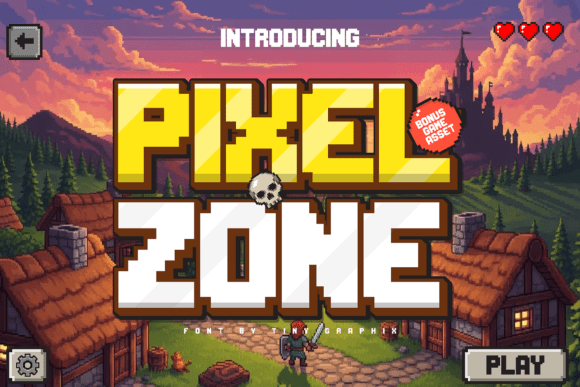
There is a specific kind of nostalgia that hits you when you see blocky, colorful text on a screen. It reminds us of quarters clinking in arcade machines, the glow of CRT monitors, and the simple joy of side-scrolling adventures. If you are working on a project that needs to channel that energy, the typography you choose is the bridge between your idea and that emotional reaction. Pixel Zone is a bold, clean retro pixel font designed specifically for this purpose, bringing the aesthetic of classic 8-bit and 16-bit gaming into the modern design landscape without sacrificing readability.
Beyond the Screen: Real-World Branding
While the name suggests video games, the utility of a typeface like this extends far beyond actual software development. We are seeing a massive resurgence in retro aesthetics across various industries. If you are a small business owner, think about how this style could fit into your branding. Imagine a local brewery using a retro pixel font for their beer labels to suggest a "classic" or "old school" brew, or a tech startup using it to convey a sense of playful innovation. It works exceptionally well for packaging design where you need to stand out on a crowded shelf. The blocky nature of the letters creates a strong silhouette that catches the eye instantly.
For those in the e-commerce space, particularly if you sell merchandise like t-shirts, enamel pins, or stickers, the font is a natural fit. It translates beautifully to print materials. Because the design is based on a grid, it maintains its integrity whether it is stitched onto a hat or printed on a glossy poster. You do not have to worry about thin serifs breaking or delicate swashes getting lost in the fabric weave. It is a premium font choice for durable, high-impact visuals.
Creating a Complete Interface
One of the most practical aspects of choosing a typeface for a specific project is seeing what else comes with it. Typography rarely exists in a vacuum; it needs supporting elements. This is where the included assets become a game-changer. When you are building a brand identity, consistency is key. Having access to matching pixel icons—hearts, coins, buttons, and trophies—means you can build a cohesive visual language immediately.
For content creators and streamers, this is incredibly useful. You can design your stream overlays, alert boxes, and donation trackers using the exact same visual style. If you are a YouTuber creating thumbnails for gaming content, using Pixel Zone helps signal to the viewer exactly what kind of content to expect before they even click. It sets the mood instantly. Whether you are designing a HUD (Heads Up Display) for an indie game or just making a fun birthday invitation for a friend who loves retro gaming, these assets save you hours of hunting for matching clipart.
Readability in a Pixel World
A common concern with novelty or display fonts is readability. Many retro-style fonts prioritize "looking cool" over being legible, resulting in text that is impossible to read at smaller sizes. The design philosophy behind Pixel Zone seems to focus on clarity. It is "bold and clean," which suggests that the letterforms are distinct from one another. This is crucial if you are using it for web design or UI elements. You want your navigation menus or "Start Game" buttons to be understood instantly.
When selecting a font for your project, always consider the context. A font like this shines in headlines, logos, and short bursts of text. It is an excellent creative font for grabbing attention. However, for long-form body text—like the description section of your website or a blog post—you should pair it with a highly readable sans serif font or even a standard serif font. This contrast creates a dynamic visual hierarchy. The pixel font draws the eye to the important information, while the body text delivers the details comfortably.
Matching Typography to Project Goals
Choosing the right typeface is about aligning visual communication with your goals. If your goal is to evoke trust and seriousness, you might look toward modern typography or a sleek script font. But if your goal is to evoke fun, energy, nostalgia, or a bit of rebellion against corporate sterility, Pixel Zone hits the mark. It speaks a language of playfulness.
Think about your audience. For entrepreneurs targeting millennials or Gen Z, the 8-bit aesthetic is deeply embedded in the cultural zeitgeist. It feels familiar and approachable. Using this style in your social media graphics can increase engagement because it stands out against the sea of generic, minimalist fonts currently dominating the market. It adds personality to your Instagram stories or Pinterest pins.
Practical Tips for Implementation
Before you finalize your design, take the time to test your font pairings. Try setting your headline in Pixel Zone and your sub-headline in a clean geometric sans serif. See how they interact. Does the spacing feel right? Does the weight of the pixel font balance with the weight of the body text?
Also, pay attention to color. Pixel art often relies on high contrast. A bright white or neon green pixel font against a dark background creates that classic arcade vibe. Conversely, using a dark pixel font on a textured, parchment-like background can give a "fantasy RPG" feel. The versatility of the typeface allows it to adapt to different color theories and moods.
Finally, review the licensing. If you are using this for a commercial product—like a game you intend to sell on Steam, a logo for a client, or merchandise for your store—ensure you have the appropriate commercial font license. This protects your business and ensures you can use the assets without legal headaches down the road.
Ultimately, design is about storytelling. Pixel Zone provides a specific visual dialect that tells a story of gaming history, fun, and digital creativity. Whether you are building a full-scale retro game or just want to add a touch of 8-bit charm to your next marketing campaign, it offers the tools and the aesthetic to make your vision a reality. It bridges the gap between the digital past and the creative present, making it a valuable addition to any designer's toolkit.