Brown Wager: A Bold Retro Serif for Modern Design
Sometimes a project calls for more than just clean lines and subtle elegance. It needs presence. It needs a typeface that doesn't just sit on the page but commands attention, evoking a sense of history and confidence. That's where a font like Brown Wager enters the conversation—a chunky, bold retro serif designed to make a distinct visual statement. It's a typeface that feels familiar yet fresh, channeling the sturdy, impactful lettering of mid-century signage and vintage advertising while being built for the demands of contemporary design work.
Capturing a Nostalgic Yet Contemporary Vibe
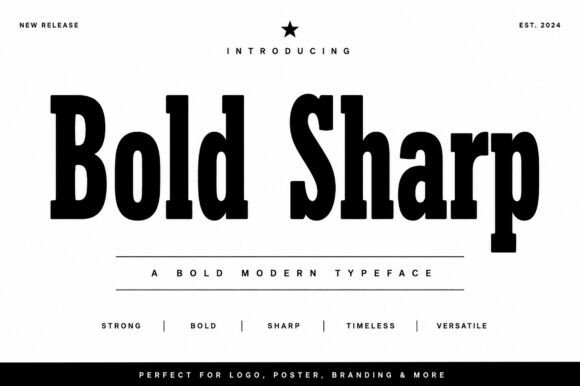
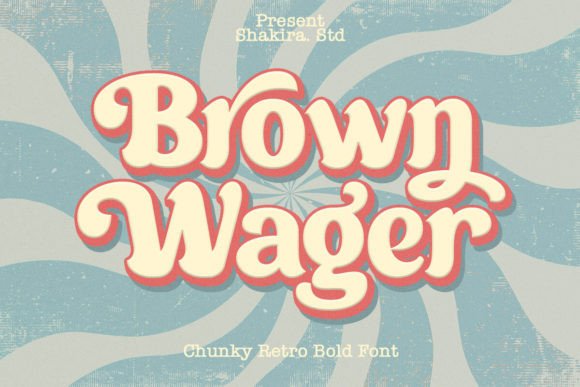
What immediately stands out about Brown Wager is its visual personality. The characters are substantial, with thick, confident strokes and the classic bracketed serifs of a traditional serif typeface. However, its proportions and unique stylistic alternates give it a distinctly retro flair. Think of the bold headlines on old movie posters, the confident text on vintage product packaging, or the eye-catching titles in mid-century magazines. This font captures that energy. It's not a direct replica but a modern interpretation, making it a versatile tool for designers looking to inject a dose of nostalgia without feeling dated.
The included stylistic alternates are a key feature here. These alternate character designs allow you to customize the look and feel of your text, adding swashes or subtle variations that can make a headline or logo truly one-of-a-kind. This flexibility is crucial for branding, where uniqueness is paramount. Instead of settling for a standard look, you can tailor the typography to perfectly match the voice of a project, whether that's playful, authoritative, or elegantly vintage.
Practical Applications Across Creative Projects
Understanding a font's aesthetic is one thing; knowing where to apply it is another. Brown Wager's bold, retro character makes it particularly effective in specific contexts where impact and readability at larger sizes are essential.
Branding and Logo Design: For brands that want to communicate heritage, craftsmanship, or a bold, no-nonsense identity, this typeface is a strong candidate. A boutique brewery, a classic barbershop, a vintage-inspired clothing label, or a specialty coffee roaster could use Brown Wager as their primary logotype to instantly convey their brand's ethos. Its chunky form ensures legibility even when scaled down on business cards or embossed on packaging.
Editorial and Packaging Design: On a magazine cover or a book jacket, a bold serif like this can draw the eye and set the tone. Similarly, in packaging design, it excels at creating standout product names and labels. Imagine it on a artisanal hot sauce bottle, a craft soda can, or a gourmet chocolate box—the font itself becomes part of the product's story and shelf appeal.
Digital and Print Marketing: In the crowded space of social media, a graphic needs to stop the scroll. Brown Wager can be used for impactful quotes, announcement graphics, or sale promotions on platforms like Instagram and Pinterest. For print materials like posters, flyers, and event invitations, its boldness ensures your message is seen from a distance. It's also a fantastic choice for merchandise like t-shirts, tote bags, and mugs, where a single, strong typographic element often works best.
Enhancing Your Design Workflow and Results
Choosing the right typeface is a strategic decision that affects more than just aesthetics. A font like Brown Wager can contribute to several key aspects of a successful design project.
Building Visual Consistency: When you select a font family with multiple weights or styles (and Brown Wager's alternates serve a similar purpose), you create a cohesive visual system. Using the same typeface across a website, social media profiles, and printed materials reinforces brand recognition. Customers begin to associate that distinctive typographic style with your business, building familiarity and trust.
Improving Professional Presentation: A well-chosen, high-quality font elevates the entire design. It signals attention to detail and professionalism. Conversely, using default or overused system fonts can make a project feel generic. A premium display font like this one helps your work stand apart in a portfolio, a client presentation, or on a retail shelf.
Guiding Audience Engagement: Typography directs the reader's eye. A bold serif like Brown Wager naturally creates a strong focal point. It's excellent for headlines, subheads, and call-to-action text where you need to grab attention immediately. This hierarchical use of type makes your layouts more scannable and engaging, guiding the viewer through your content in the way you intend.
Smart Tips for Implementing a Bold Serif
Integrating a characterful font like Brown Wager into your designs effectively requires a bit of strategy. Here are some practical considerations.
Font Pairing is Key: A chunky, expressive serif like this works best when balanced with a simpler companion. Pair it with a clean, neutral sans-serif font for body text. This contrast ensures readability while allowing the display font to shine. A pairing like Brown Wager with a font like Lato, Open Sans, or Montserrat often creates a pleasing and functional harmony. Avoid pairing it with another highly decorative or script font, as this can create visual clutter.
Consider the Context and Readability: Its bold nature makes it ideal for headlines and short bursts of text. For longer paragraphs, such as body copy on a website or in a brochure, it's generally better to opt for a more traditional, lighter-weight serif or sans-serif. Always test your typography at the actual size it will be viewed to ensure clarity, especially for critical information.
Explore the Full Character Set: Don't just type out your words and call it done. Dive into the font's OpenType features in your design software to access those stylistic alternates, ligatures, and any other special characters. Experimenting with these can uncover unique combinations that add a custom, crafted feel to your logos and headlines.
Understand the Licensing: If you plan to use the font for commercial projects—which is the case for most designers and businesses—it's essential to review the font's license. A reputable premium font will come with a clear license that outlines permitted uses, such as for client work, digital products, print-on-demand merchandise, and website embedding. Ensuring you have the correct license protects you and your clients legally.
Brown Wager positions itself as more than just another typeface in a designer's toolkit. It's a specific voice—bold, retro, and full of character. For the right project, it can be the missing piece that transforms a good design into a memorable one, connecting with an audience through the powerful, silent language of typography. Whether you're building a brand from the ground up or refreshing an existing visual identity, considering a font with this much personality is a step toward creating work that truly resonates.