Bizartum: The Unpolished Victorian Font for Authentic Branding
There’s a certain magic in things that wear their age with pride. A leather-bound book with cracked spine, a whiskey bottle with a wax seal that shows the fingerprint of its maker, a bar sign whose paint has gracefully faded. This is the spirit of authenticity, a quality that mass-produced, flawless design often misses. In the world of typography, that spirit is captured by fonts that don't hide their imperfections. Bizartum is one such typeface—a vintage Victorian display font that doesn't just suggest history; it feels like a direct artifact from it, making it a powerful tool for designers and brands seeking genuine character.
Understanding the Distinctive Charm of This Typeface
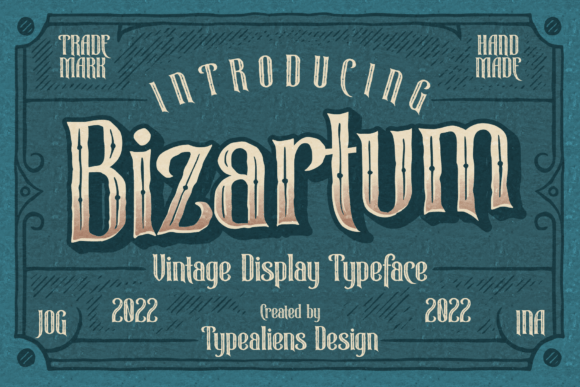
At first glance, Bizartum is unmistakably classic. Its roots are deep in Victorian-era typography, a period known for ornate, decorative, and highly detailed lettering. But what sets this particular creative font apart is its deliberate lack of polish. The strokes aren't solid and clean; instead, the edges are rough, textured, and uneven, mimicking the look of letterpress printing where ink spreads and metal type wears down over time. This isn't a digital flaw—it's a designed feature that injects immediate history and tactility into any project.
Another key visual element is the vertical hole, or counter, found in letters like the 'B', 'P', and 'R'. This isn't just a stylistic quirk; it contributes to the font's open, airy feel despite its ornate structure. It prevents the letters from feeling too heavy or closed off, ensuring that even in a complex logo, the word remains legible and balanced. The combination of these traits—the distressed edges, the vertical counters, and the Victorian proportions—creates a typeface that feels handcrafted, storied, and deeply authentic. It’s a premium font designed not for body text, but for making a powerful, nostalgic statement.
Where This Vintage Font Truly Shines: Practical Applications
Choosing a font like Bizartum is a strategic decision about brand personality. It’s not a neutral choice; it immediately communicates a specific set of values: tradition, craftsmanship, heritage, and a touch of rugged elegance. This makes it exceptionally well-suited for particular industries and projects where these qualities are assets.
Packaging and Label Design: This is where Bizartum feels most at home. Think about the labels on craft spirits, artisanal coffee, gourmet chocolates, or specialty hot sauces. The unpolished texture of the font mimics the look of vintage lithography or screen printing, instantly conveying a product made with care and quality ingredients. For a liquor label, it evokes the legacy of a distillery, suggesting age-old recipes and barrel-aged depth. It tells a story before the customer even tastes the product.
Logo and Brand Identity: For a brand that wants to anchor itself in tradition—whether it's a barber shop, a bespoke tailor, a heritage menswear line, or a classic steakhouse—Bizartum provides a solid foundation. It works beautifully as the primary logotype, especially when paired with a simpler sans serif font for supporting text. The key is to use it sparingly; let it be the star of the logo, headlines, and key brand marks. Overusing such a distinctive display font can overwhelm a design.
Editorial and Marketing Materials: In print and digital design, this font can elevate a project from generic to memorable. Imagine the chapter titles in a cookbook, the masthead of a vintage-inspired magazine, or the headline on a poster for a whiskey tasting event. For social media graphics promoting a heritage brand, using Bizartum for a key quote or a sale announcement can stop the scroll with its unique texture and personality. It adds a layer of visual interest that clean, modern fonts often lack.
Pairing and Practicality: Making the Font Work for You
Working with a strong character font like Bizartum requires a thoughtful approach to font pairing. Its ornate and textured nature means it needs a counterpart that provides contrast and clarity. A clean, geometric sans serif font is often the perfect partner. Fonts like Montserrat, Lato, or even a simple serif like Lora can create a beautiful hierarchy, where Bizartum handles the impactful headlines and the paired font manages the readable body copy. Avoid pairing it with other script or handwritten fonts, as this can create visual chaos.
Readability is paramount. Because of its detailed letterforms and texture, Bizartum is best used at larger sizes. It's a hero for logo design and poster titles, but it will struggle as the main font for a website's paragraph text or a long product description. Always test your designs at the intended viewing size—what looks stunning on a large monitor might become an illegible blob on a mobile screen or a small printed label. Use it to draw the eye, then let a simpler font deliver the detailed information.
Before purchasing any commercial font, it's crucial to review what's included. Check the font file formats (OTF, TTF, WOFF, WOFF2 for web) and the licensing. Most premium fonts like Bizartum come with a license for a specific number of users or projects. If you're designing a logo for a client, ensure the license covers that use and allows the client to use the final logo. Some licenses are for personal use only, which is a critical distinction for any commercial project.
Beyond the Label: Creative and Digital Frontiers
The applications extend far beyond physical products. For web design, Bizartum can be used for a striking hero section headline on a website for a distillery, a vintage goods marketplace, or a craft workshop. It sets an immediate tone. In the realm of digital products, it can enhance the cover of an eBook on traditional craftsmanship, the title slide of a presentation on brand history, or the header graphic for a newsletter focused on retro style.
For content creators and bloggers in niches like men's style, whiskey reviews, antique collecting, or historical fiction, this font can become a signature part of their visual branding. Used consistently in thumbnail graphics, title cards, or merchandise like t-shirts and mugs, it helps build immediate brand recognition. It becomes a visual shorthand for the content's theme and quality.
Ultimately, choosing a typeface like Bizartum is about embracing a specific aesthetic with conviction. It’s a tool for telling visual stories steeped in history and craftsmanship. When used with intention—respecting its strengths in packaging design, brand identity, and editorial design, and pairing it thoughtfully—it can transform a project. It moves beyond mere words on a page to become an integral part of the message itself, offering a tangible connection to a timeless, unpolished, and beautifully authentic past.