Goatjump: The Distressed Typeface for Authentic Branding
Sometimes, a design calls for more than just clean lines and perfect edges. It needs texture, history, and a sense of weight. It needs to feel like it’s been through something. This is the exact character that Goatjump, a bold distressed display font, brings to the table. It’s not just another typeface; it’s a tool for injecting instant personality and a rugged, vintage soul into your creative work.
Capturing a Handcrafted, Industrial Vibe
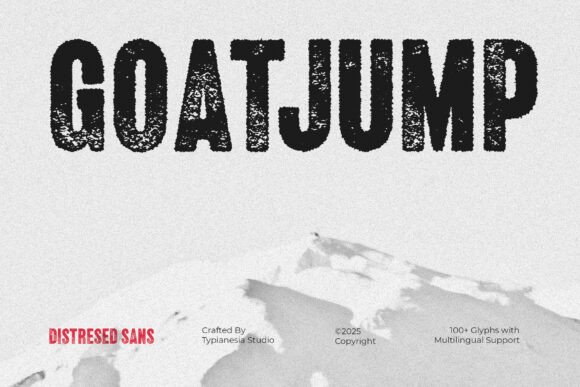
At its core, Goatjump is a commanding sans-serif display font. What sets it apart is its meticulously crafted distressed texture. Imagine the deep, inked impression of a vintage rubber stamp or the slightly worn look of a letterpress print on thick cotton paper. That’s the authentic aesthetic this font simulates. The grunge isn't chaotic; it's intentional, giving each letterform a tactile, lived-in quality that feels genuinely handcrafted.
This visual style immediately communicates specific brand values: authenticity, durability, craftsmanship, and a no-nonsense attitude. It’s the typography equivalent of a well-worn leather tool belt or a perfectly seasoned cast-iron skillet. For any project aiming to sidestep the sterile, overly digital look and embrace something with more grit and character, Goatjump provides a powerful foundation.
Where This Font Truly Shines: Practical Applications
Understanding a font's personality is one thing, but knowing where to apply it is what turns a good design asset into a great one. Goatjump’s strength lies in projects where visibility and character are paramount. Its bold, textured nature makes it ideal for headlines, logos, and branding elements that need to stand out and make an immediate impact.
Think about the shelf appeal of a craft brewery’s label. Goatjump can make a beer name look as robust and flavorful as the brew inside. For a coffee roaster, it adds that essential artisan touch to packaging. It’s equally at home on apparel—think rugged t-shirt graphics for a motorcycle club or a vintage-inspired outdoor brand. Beyond physical products, it’s a standout for poster design, event flyers, and impactful social media graphics that stop the scroll. Anywhere you need a headline to have presence and a logo to feel established, this display font is a strong candidate.
Beyond the Logo: Building a Cohesive Visual Identity
A strong brand is built on consistency. Using a distinctive typeface like Goatjump for your primary headlines and logos creates an immediate and memorable visual anchor. When a customer sees that textured, bold lettering, they start to associate it with your brand’s story and quality. This builds recognition faster than a generic, overused font ever could.
However, the key to using such a character-rich font effectively is balance. A headline in Goatjump paired with a simple, clean sans-serif for body text (like Lato, Open Sans, or Montserrat) creates a beautiful hierarchy. The display font grabs attention and sets the mood, while the body font ensures readability for longer descriptions and paragraphs. This pairing strategy is fundamental in modern typography and prevents your design from becoming visually overwhelming. Always test your pairings to ensure the distressed texture of Goatjump doesn’t clash with the x-height or weight of your secondary font.
A Practical Guide to Using a Distressed Font
Incorporating a font with such a strong personality requires some thoughtful consideration to maximize its effectiveness and maintain professionalism.
- Context is King: While versatile, Goatjump is best suited for display purposes. Avoid using it for lengthy body copy or small-sized legal text, as the texture can reduce legibility at smaller scales. Its power is in the headline, the logo, the call-to-action.
- Color and Background: This font looks fantastic on solid color backgrounds. High contrast is your friend. Think white text on a dark navy background, or a deep burgundy on cream. It can also work beautifully over textured images, but ensure the image texture doesn’t compete too aggressively with the font’s own distressed detail.
- Spacing Matters: Because of its bold, dense texture, you might need to adjust the tracking (letter-spacing) slightly, especially for all-caps headlines. Adding a touch of space can improve readability and give the letters room to breathe, enhancing their impact.
- Licensing for Commercial Use: If you’re using Goatjump for client work, merchandise for sale, or any commercial project, it’s essential to ensure you have the correct commercial font license. This protects both you and the font creator and is a standard professional practice for any premium font or design asset.
Injecting Character into Digital and Print Projects
The applications extend far beyond physical goods. In the digital realm, Goatjump can make a website’s hero section instantly engaging. Use it for your main value proposition to make a powerful first impression. For bloggers and content creators, it’s perfect for creating standout featured images, Pinterest graphics, or podcast cover art that communicates your niche’s vibe—be it rugged, vintage, or artisanal.
In editorial design, a chapter title or pull quote set in this typeface can add dramatic flair to a magazine layout or a book cover. For event organizers, it’s a natural fit for creating posters and invitations for concerts, festivals, or workshops that have a rustic or industrial theme. The font does a lot of the heavy lifting in setting the event’s tone before a single word of the details is read.
Ultimately, choosing a font like Goatjump is a strategic design decision. It’s about aligning your visual language with your brand’s core message. It’s for the designer who wants to create something that feels timeless rather than trendy, and for the business owner who wants their product to look as solid and authentic on the outside as it is on the inside. If your project calls for a voice that’s bold, a bit gritty, and unmistakably confident, then this distressed typeface is ready to work for you.