Jake: The Bold Varsity Typeface That Commands Attention
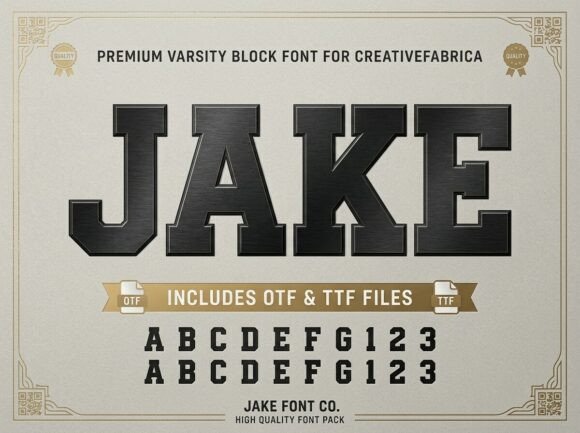
There's a certain energy you feel in a stadium—the roar of the crowd, the crisp sound of a whistle, the undeniable sense of tradition and competition. Now, imagine capturing that feeling and embedding it directly into your visual designs. Meet Jake, a premium varsity block font that does exactly that. Engineered with the classic proportions and sharp, commanding presence of collegiate lettering, this typeface is built for projects that need to feel powerful, timeless, and full of spirit. It’s not just a font; it’s a design asset that carries the weight of athletic legacy.
A Typeface Built on Athletic Tradition
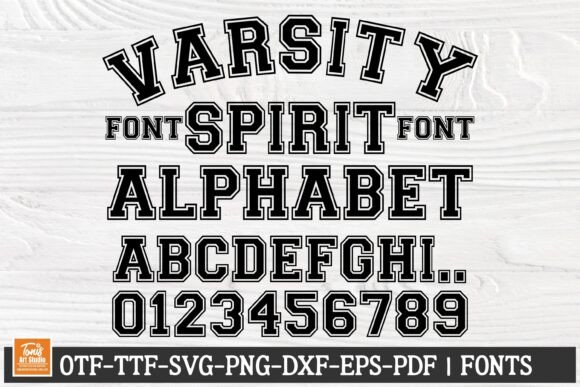
Jake isn't trying to be a subtle, whispering font. Its personality is loud, confident, and unapologetically bold. The heavy, solid weight and sharp slab serifs are directly inspired by the lettering found on vintage jerseys, championship banners, and iconic university logos. This gives it an inherent sense of authority and nostalgia. When you use Jake, you're not just choosing letters; you're invoking a visual language associated with teamwork, achievement, and high-stakes performance. This makes it an incredibly effective tool for any project aiming to convey strength, reliability, and a classic American aesthetic.
For a brand strategist, this font offers a direct line to a specific audience. It resonates deeply with markets that value tradition, sport, and a no-nonsense approach—think fitness brands, local sports teams, educational institutions, or even outdoor adventure companies. The visual consistency it provides helps in building immediate brand recognition. A logo set in Jake doesn't just get seen; it gets remembered because it taps into a well-understood cultural reference point.
Practical Applications: From the Field to the Marketplace
The true test of a creative font is its versatility. While its roots are in athletics, Jake's application extends far beyond the gymnasium. Its blocky, high-impact nature ensures excellent readability even at smaller sizes or from a distance, making it a workhorse for various design needs.
Consider these real-world uses:
- Branding & Logo Design: Create a powerful wordmark for a startup, a fitness studio, or a community club. Jake provides a solid foundation that communicates stability and confidence.
- Packaging Design: On product labels for energy drinks, protein bars, or outdoor gear, this typeface grabs shelf attention and reinforces an active lifestyle brand identity.
- Posters & Event Graphics: For tournaments, school dances, fundraisers, or local rallies, Jake delivers the high-impact visual punch needed to cut through the noise and fill seats.
- Merchandise & Apparel: It’s the obvious choice for jersey numbering and team names, but also shines on hats, t-shirts, and sweatshirts for brands selling a lifestyle, not just a product.
- Social Media Graphics: Use it for bold headlines in Instagram posts, Facebook event covers, or YouTube thumbnails to create a consistent and recognizable visual feed that stops the scroll.
- Editorial & Web Design: As a display font in headers for blogs, websites, or digital magazines, especially in niches like sports journalism, fitness, or men's interest, it establishes a strong visual hierarchy.
A small business owner can leverage Jake to create professional-looking marketing assets without needing a design degree. Its inherent style does much of the heavy lifting, ensuring materials look polished and intentional. For crafters, it’s perfect for creating custom decals, team banners, and personalized gifts that have an authentic, sporty feel.
Pairing for Professional Polish
While Jake is a standout on its own, thoughtful font pairing is key to sophisticated design. The goal is to create contrast and hierarchy without visual conflict. Because Jake is a high-personality serif font, it pairs best with simpler, cleaner typefaces.
A classic approach is to combine it with a neutral sans serif font for body text. Fonts like Open Sans, Lato, or Roboto provide a clean, modern counterbalance, ensuring paragraphs remain highly readable while letting Jake’s headlines command the stage. For a more modern typographic feel, pairing it with a geometric sans serif like Futura or Montserrat can create a dynamic and contemporary look.
Experimentation is crucial. Always test your pairings in context. How do the fonts look together on a website mockup versus a printed poster? Check the spacing, the weight contrast, and the overall mood. A good pairing should feel harmonious, with each font playing a distinct and complementary role in the visual story.
Choosing the Right Style for Your Project
A premium font like Jake often comes with a family of styles, which greatly expands its utility. Before you dive into a project, review what’s included. You might find regular, bold, outline, or even distressed versions.
- Regular & Bold: The workhorses for most applications. Use bold for maximum impact on covers and logos.
- Outline or Shadow Styles: Excellent for creating layered, dimensional effects in posters or merchandise, adding a retro or vintage flair.
- Distressed or Grunge Textures: These can add an authentic, worn-in character perfect for vintage sports designs or rugged brand identities.
Think about your project's goal. Is it a clean, modern brand identity? Stick to the solid styles. Is it a throwback event poster? The distressed version might be perfect. This variety allows you to maintain a consistent typographic voice across different materials while adapting to specific creative needs.
Key Considerations Before You Download
Integrating a new font into your workflow is exciting, but a few practical checks will ensure a smooth process.
First, licensing. For any commercial project—from a client’s logo to products for sale—you must ensure you have the correct commercial license. Most premium font licenses cover a specific number of users or computers. Always read the End User License Agreement (EULA) to avoid legal issues down the line. This is a non-negotiable step for any professional designer or business owner.
Second, readability in context. Test the font at the size and on the medium it will be used. A font that looks stunning on your screen at 72pt might lose some detail when printed small on a business card. Conduct quick, practical tests to confirm it performs well in its intended environment.
Finally, think about your overall brand ecosystem